No one places a bet.
Everyone gets the product.
A conditional rebate on a public event, paid at full retail, with Playably carrying the risk. This brief gives you the language.


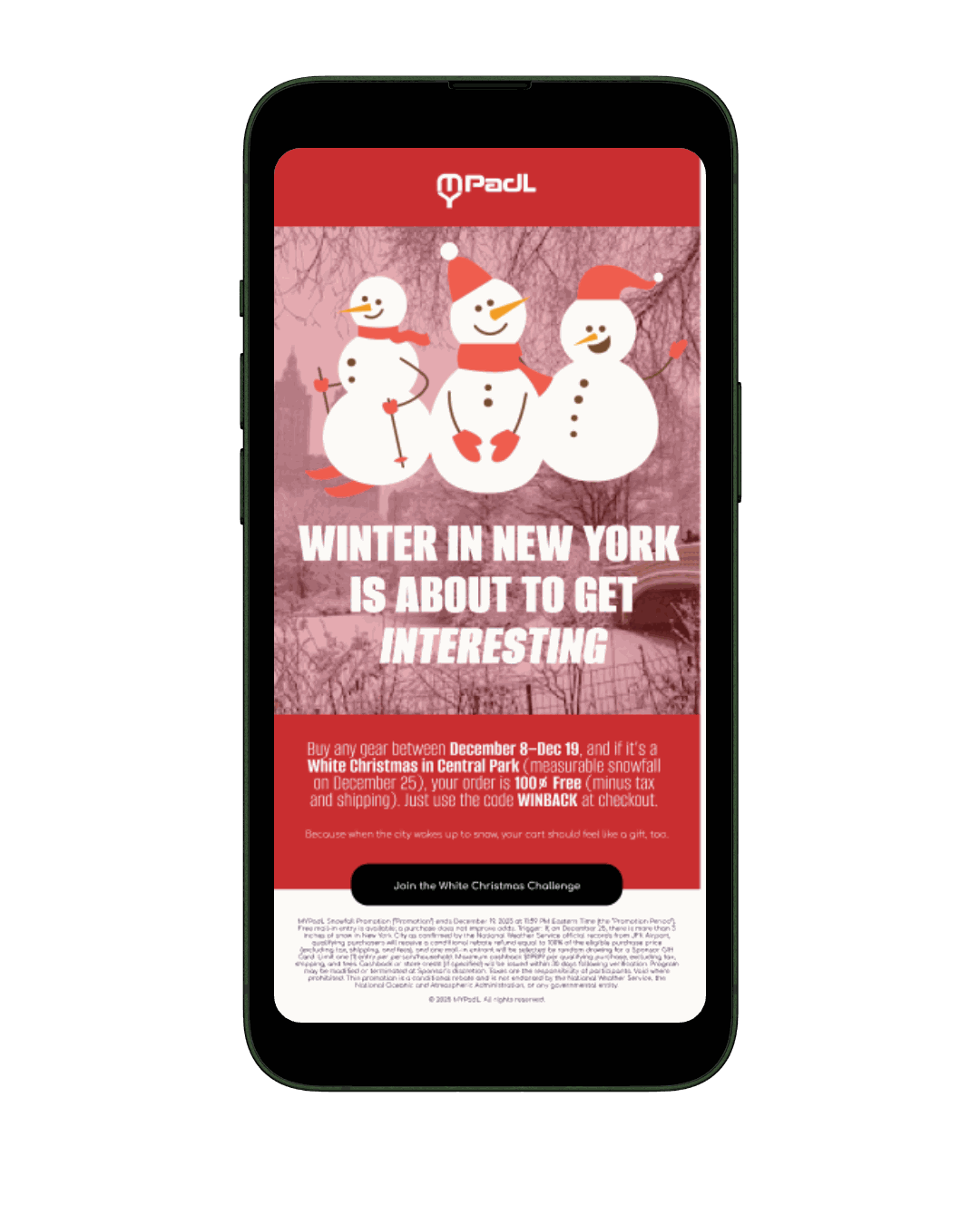

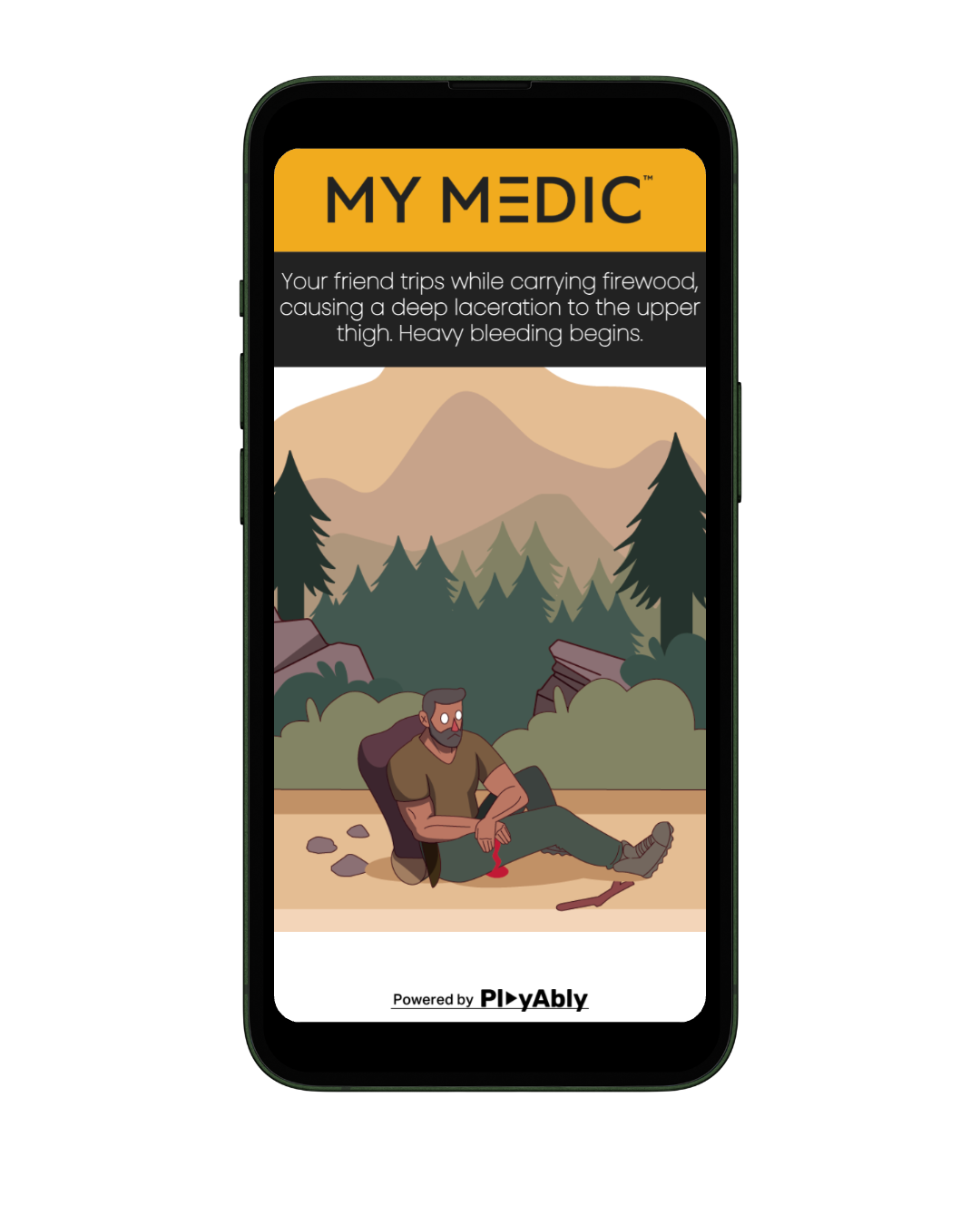
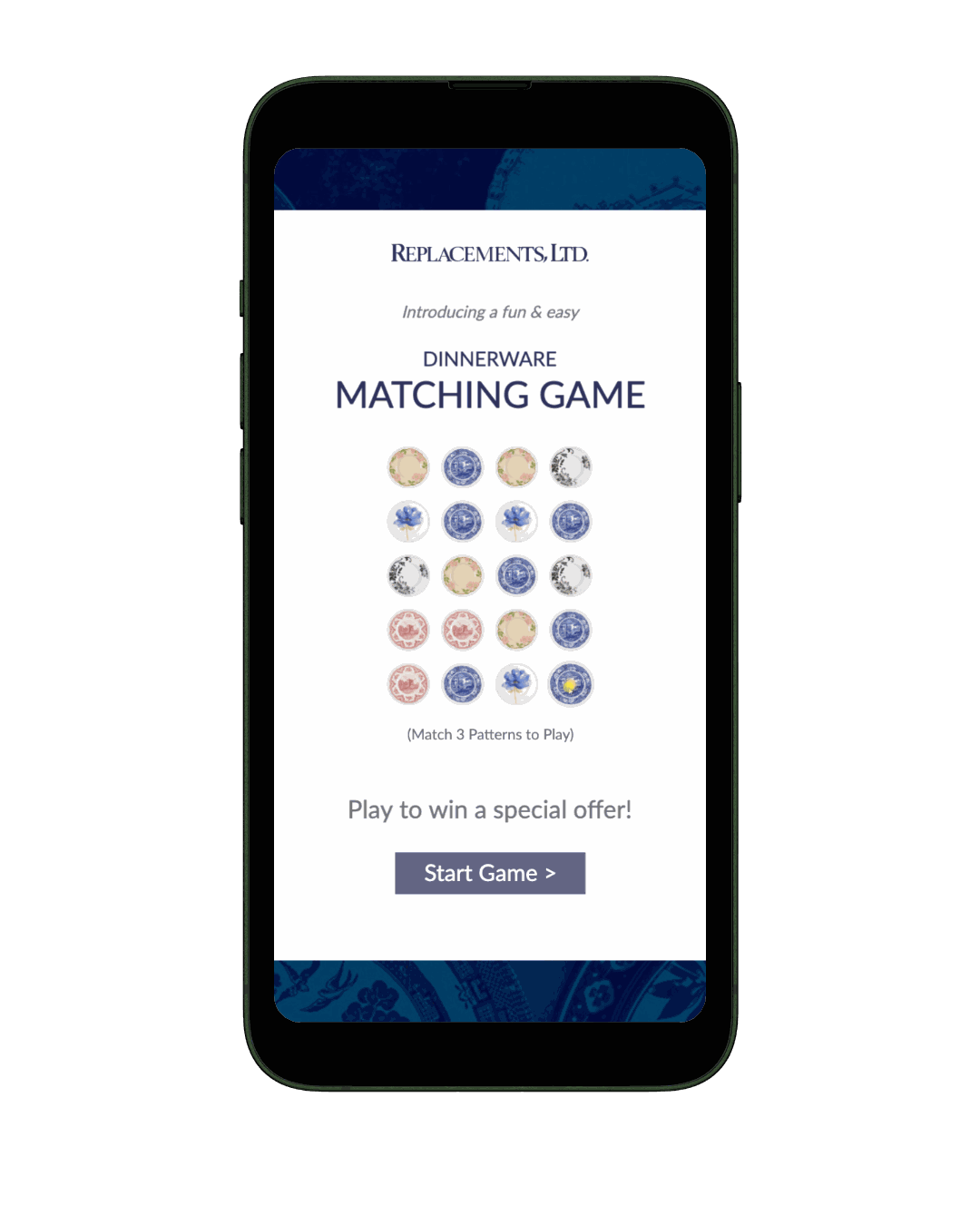
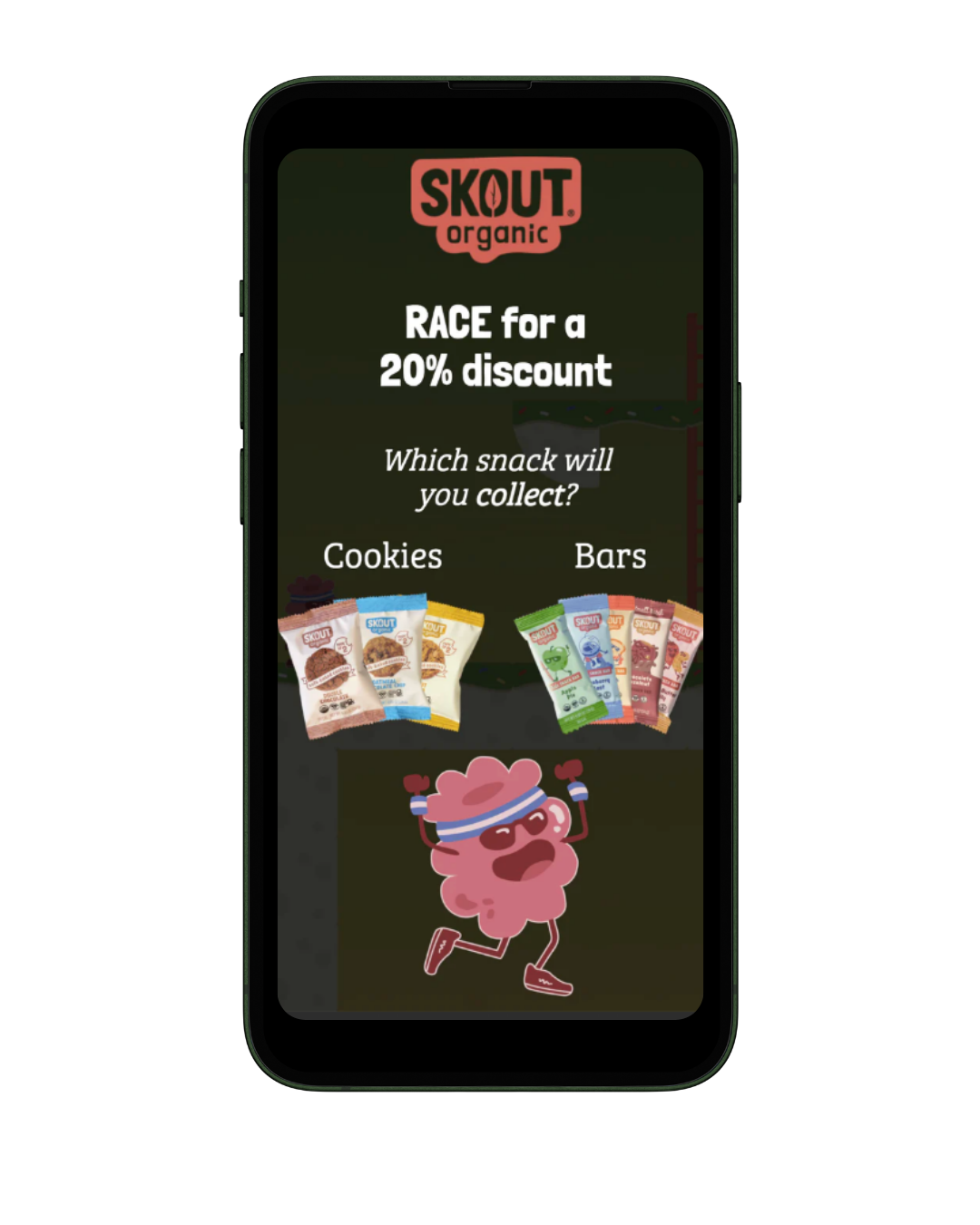
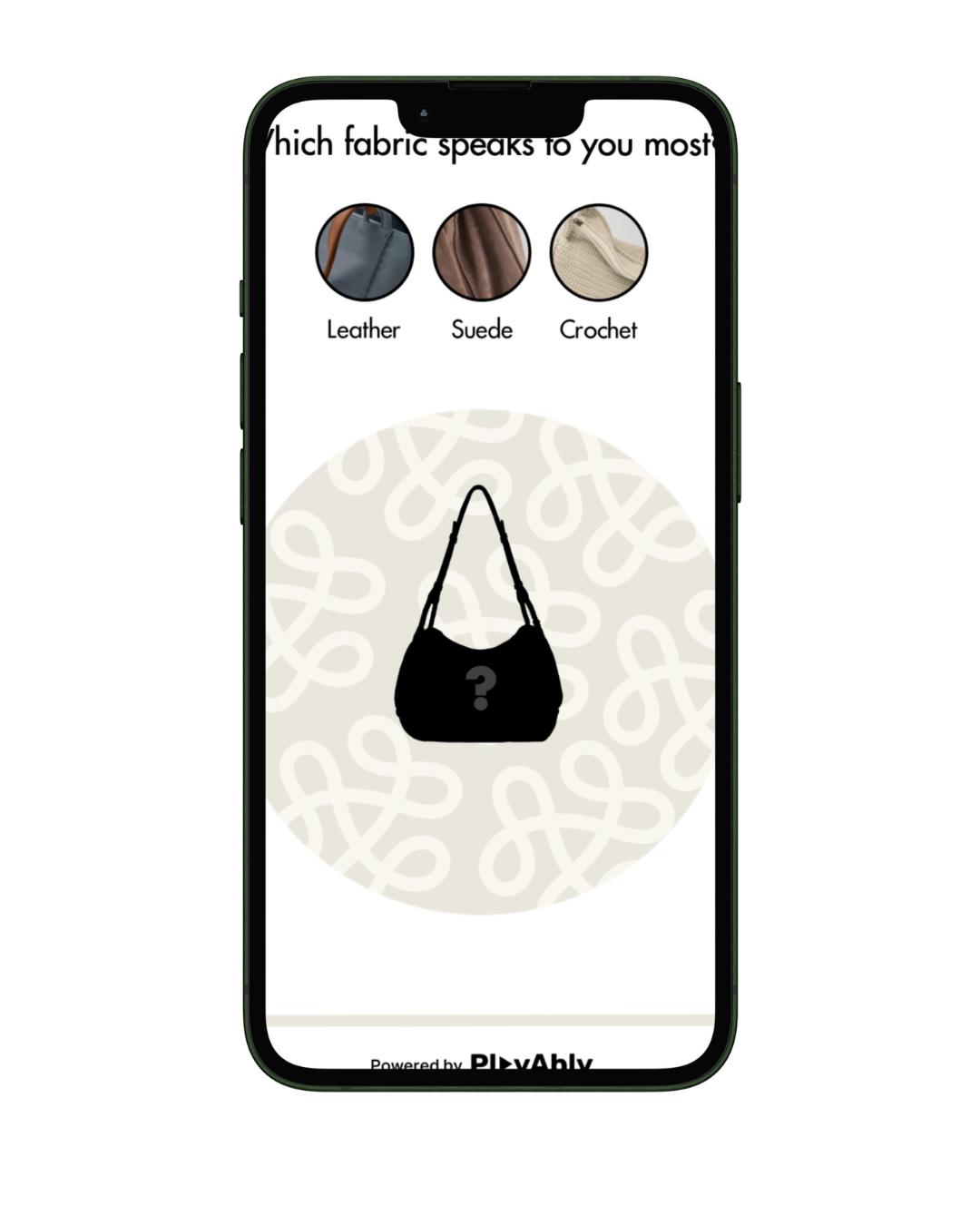
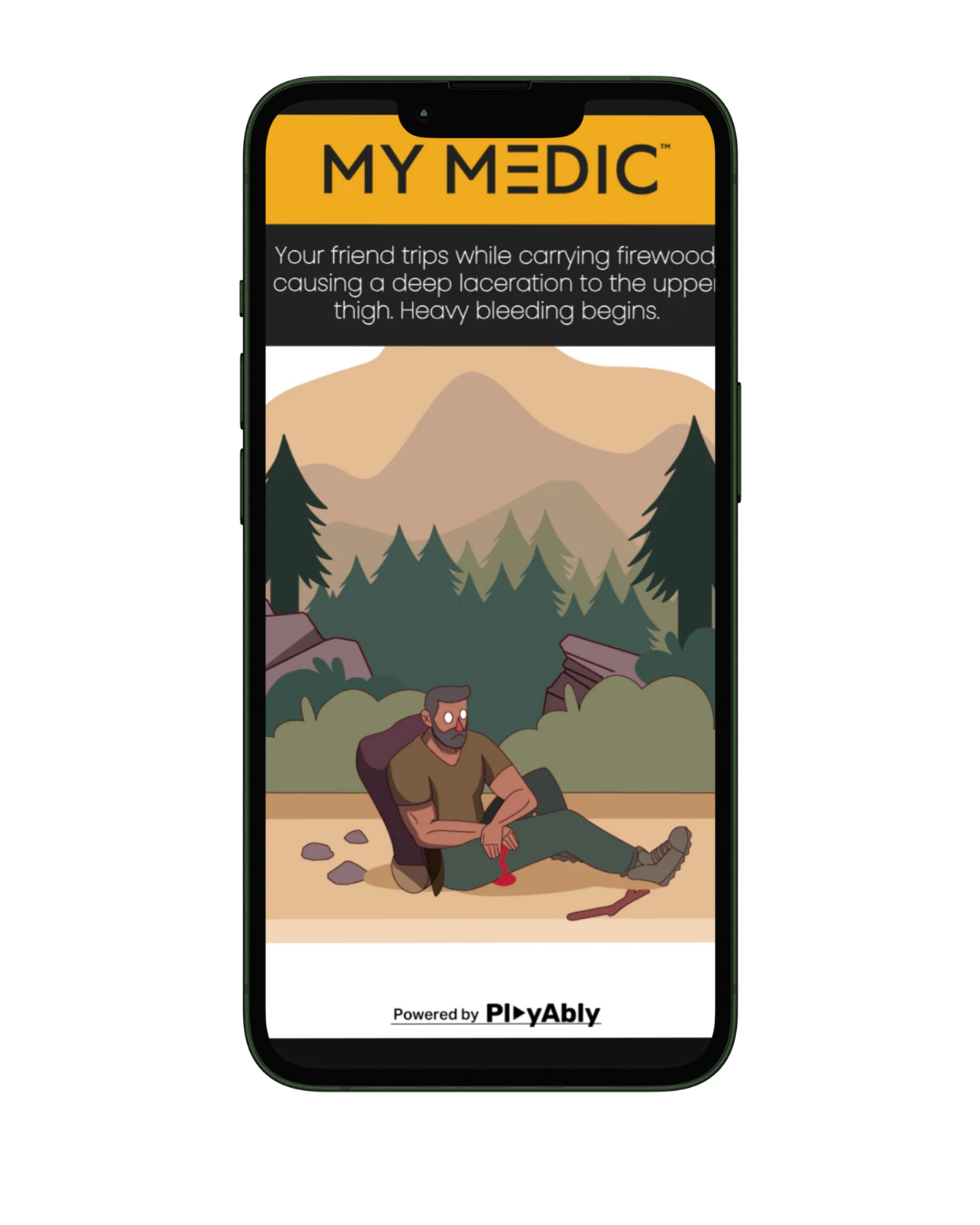
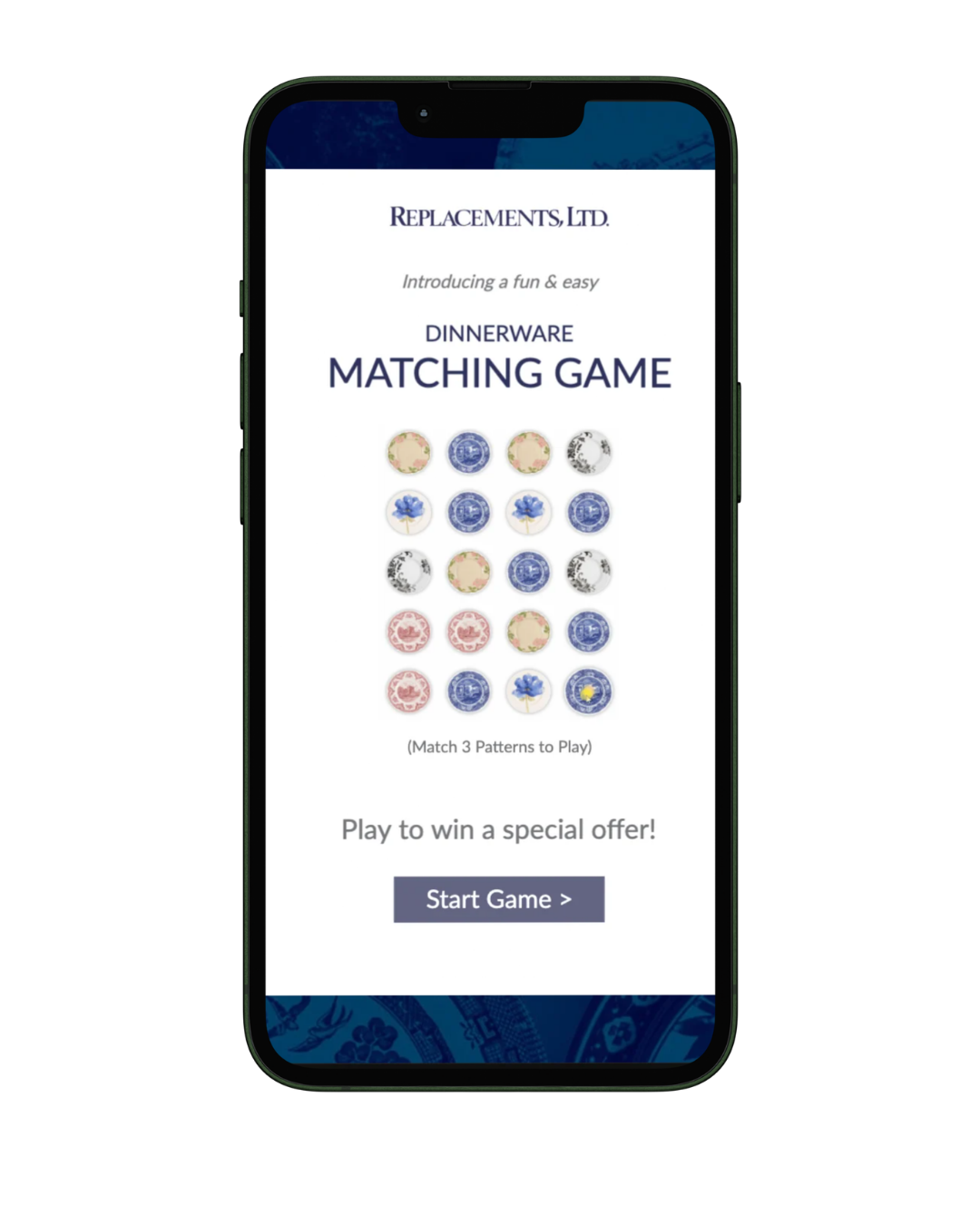
















































A sportsbook sells a stake.
Playably sells a product.
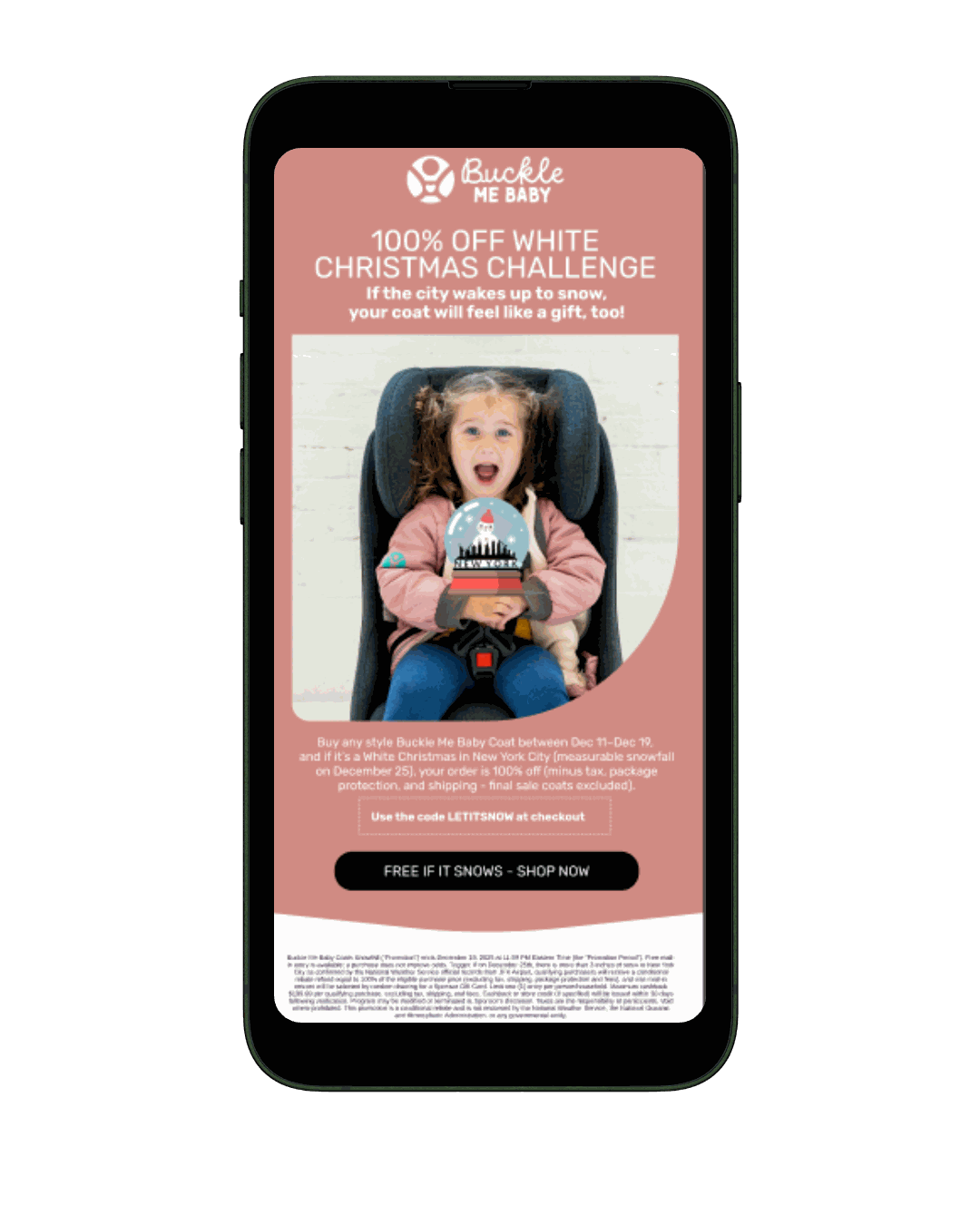
No account, no deposit, no wager, and no outcome in which the shopper is worse off than someone who placed a normal full price order. What they get is a guarantee attached to a purchase, the same structural category as a rain check, a price match promise, or a "free if it snows" promotion. Those have run in American retail for decades without controversy.
It is how the brand covers the promise. Playably transfers the downside to a regulated venue rather than to an insurance broker. That is a change in the plumbing, not a change in what the shopper experiences.
Six specific harms.
None of them apply.
Public criticism of sports betting has converged on six specific harms. Each one names a mechanism, not a vibe, which is useful, because a mechanism can be checked. Here is every charge against the model Playably is most often confused with, and where Playably actually sits.
Funds are deposited and put at risk. Losing the deposit is the ordinary outcome and the source of revenue.
The shopper pays a listed price for a product and receives it. Nothing is staked on top of the purchase. There is no downside case.
Revenue is customer net losses. The business improves as customers do worse.
Revenue is a share of the incremental sales the campaign drives. Playably is paid when the brand sells. The shopper's outcome does not move it either way.
Profitable customers are profiled, restricted, and removed. Continued access is evidence you are losing.
There is no profitable customer to restrict. Every eligible buyer gets identical published terms, and a payout triggers for all of them at once or none of them.
Mandatory ID verification is joined to hesitation, scroll, and dwell telemetry to build a per person risk and vulnerability profile.
No account, no ID check, no betting history. Playably works from campaign level commerce data the merchant already holds. It builds no individual risk profile and sells no consumer data.
Dedicated hosts, comped travel, and athlete access retain the small minority who supply most of the revenue. Dormant users are a metric to be won back.
There is no repeat spend loop to escalate. A campaign is one purchase, one promotion, one outcome. Nothing rewards buying more, and there is no dormancy to reverse.
Prop bets isolate one participant's conduct in one moment, the specific vulnerability behind every recent integrity case.
Excluded by policy, not by preference. No Playably trigger may turn on an individual performance line or on conduct a single participant can unilaterally control. Competitive results, decided by a full field, remain eligible. See the trigger policy below.
Questions you will be asked.
These are written to be answered out loud. Where a phrasing is worth using close to verbatim, it is marked.
Isn't this just gambling with extra steps?
No, and the distinction is structural rather than cosmetic. Gambling requires the customer to place something at risk on an uncertain outcome. Here the customer's money buys a product at its normal price and the product arrives either way. What they receive is a conditional refund, a promise made by the brand and paid for by the brand.
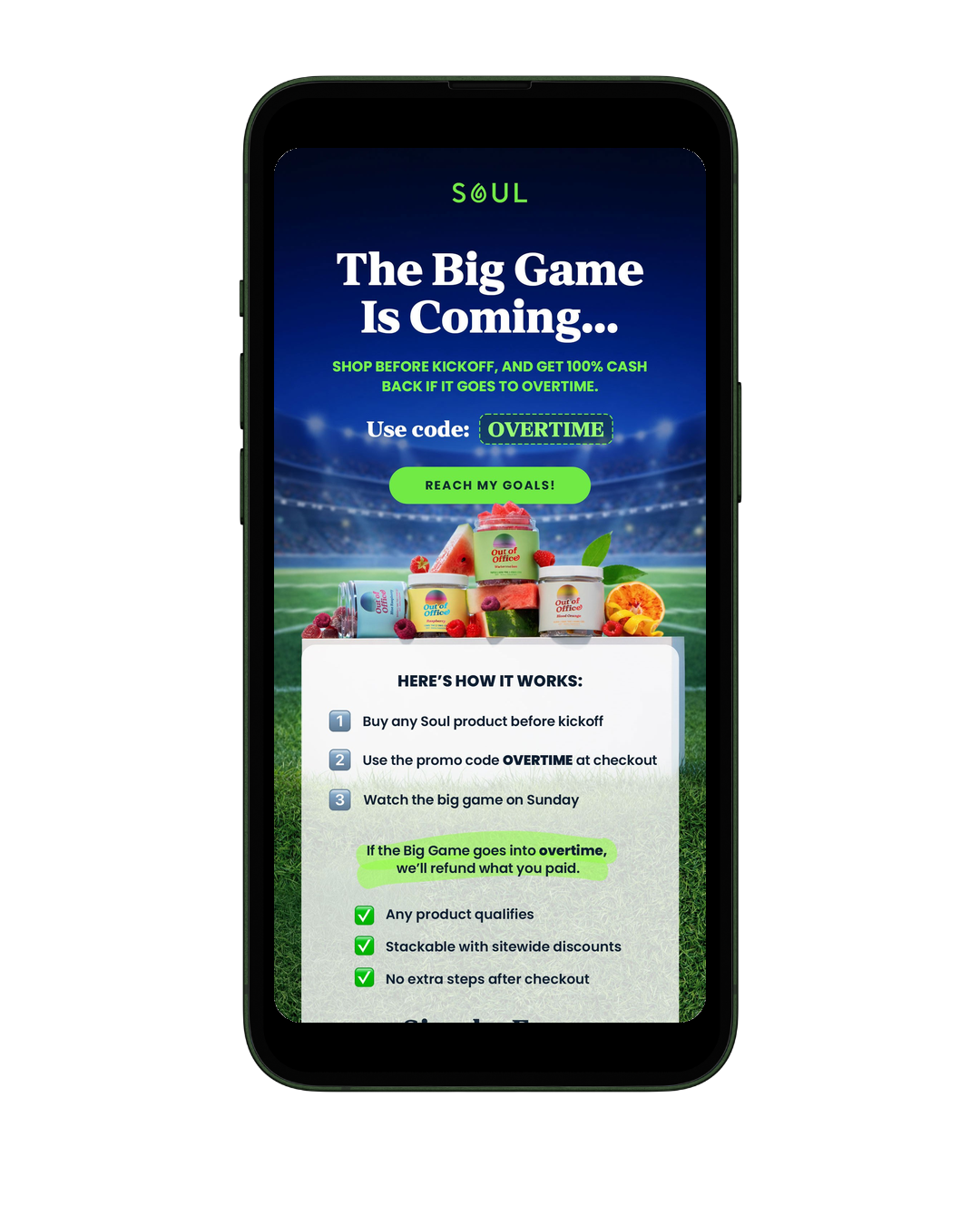
No one places a bet. The shopper pays full retail and gets their product no matter what. If a public event happens, they get their money back on top. Playably carries that risk behind the scenes, the same way a store carries a rain check.
My shopper still spends money on an uncertain outcome. Isn't that a wager?
This is the sharpest version of the question and it deserves a real answer rather than a deflection. A wager requires a separate stake, money committed on top of what you would otherwise spend, which is gone if the outcome goes the wrong way. There is no separate stake here. The shopper spends what the product costs, and the worst case is that they own the product they chose at the price it was listed. Every promotion in retail is a reason to buy now instead of later. This one adds upside instead of subtracting margin.
Two structural features hold that line, and both must be true on every campaign: the item is sold at genuine full retail, not a marked up price, and a free entry path exists for anyone who wants the same shot without buying.
You hedge on a prediction market. Doesn't that make us part of a prediction markets story?
Only if someone puts it on the storefront, and nobody should. The hedge is procurement, the mechanism by which the brand's promise is funded and guaranteed. It has the same relationship to your campaign that a reinsurance treaty has to a warranty programme, or that a card network has to a refund. It belongs in the contract and the compliance file, not in the creative.
Playably names the venue in trade and regulatory contexts, where the fact that the risk sits with a federally regulated counterparty is the point. On the consumer surface, the language is guarantee and cashback. Two registers, held apart deliberately.
What if one of our customers has a gambling problem?
There is nothing here for a gambling problem to attach to. Compulsive gambling is driven by a loss chase loop: stake, lose, stake more to recover. The loop needs a losable stake and repeatable access, and this mechanic has neither. A shopper buys once, at retail, and cannot lose. Buying more does not improve their odds of the event happening, and the promotion ends when the campaign does.
The comparison worth holding in mind: the industry critique of sportsbooks is that responsible gaming teams are structurally separated from the revenue teams. Here the question does not arise, because there is no revenue line that grows when a customer is harmed.
What data do you take on our shoppers?
Order level data needed to administer the promotion and pay out, meaning which orders participated and where to send the rebate. No identity verification, no behavioural telemetry, no cross platform sharing, and no resale. Playably has no interest in a per person risk profile because it has no per person risk. The data asset is campaign level: which triggers convert, at what price points, in what categories.
If the event hits, can you actually pay?
Yes, and the hedge is why. The offsetting position is placed before the campaign goes live and is sized to the full liability, so the money to pay every rebate exists from day one rather than depending on Playably's balance sheet at settlement. That is the whole reason to hedge on a regulated venue instead of self insuring. Ask for the exposure and coverage figures on your specific campaign. They are a normal part of the contracting conversation.
Is this legal in every state?
Conditional rebates are a long established promotional structure, but promotion law is state by state and the requirements around free entry, disclosure, and eligibility vary. Every campaign gets a compliance review before launch and the terms are written to the strictest applicable standard. Your counsel should review the campaign terms as they would for any promotion. Playably supplies the structure and the documentation to make that review fast.
Could an athlete or insider manipulate the trigger?
The recent integrity scandals share one shape: a market on a single person's conduct in a single moment, which that person can quietly control. Playably does not run those triggers, and the exclusion is a published policy rather than a case by case judgment. A campaign can turn on whether a player wins their event, because winning requires beating an entire field and cannot be quietly delivered by one person. What we do not run is a market on one person's own statistical line or conduct. The full policy is below.
Aren't you feeding money into an industry people are increasingly worried about?
The flow runs the other direction from the one critics object to. The concern is retail speculation, individuals moving personal money onto an exchange hoping to profit. What Playably routes is a brand's marketing budget, spent to guarantee a promise to customers, with no retail participant added to the market and no household exposed to loss. It is the commercial hedging that derivatives markets were built to serve, which is a materially different thing from the activity under scrutiny.
Three rules. Every campaign.
Every campaign trigger must satisfy all three. These are commitments Playably states publicly, and they are designed to be checkable by a brand's own reviewers.
- 01 No outcome a single participant can unilaterally control. Competitive results are eligible, including team results, match and tournament outcomes, and public record events, because they are decided by a full field of opponents rather than delivered by one person acting alone. What is excluded permanently is any individual performance line, such as a player's statistical total, a substitution, or a withdrawal, whatever liquidity exists for it. That is the precise vulnerability behind every recent integrity case, and it is closed by construction.
- 02 No campaign where anyone involved holds non public information. Neither the brand, its partners, its talent, nor Playably may have material private knowledge of the trigger's outcome. Where a campaign features an individual, the trigger must turn on a competitive result, never on a discretionary decision that person makes.
- 03 A public, independently verifiable settlement source, named before launch. The shopper can see in advance exactly what resolves the promotion and who reports it. Playably does not adjudicate its own triggers.
The mechanic is safe.
The exposure is linguistic.
Two audiences now read a "get your money back if X happens" offer fluently in the grammar of a sportsbook promotion. The copy has to be structurally different, not merely scrubbed of banned words. A line can avoid every term below and still read as a free bet.
Use
cashback guaranteeconditional rebate100% back if…we'll refund your order if…covered,guaranteed,promise- Anchor to the familiar category: rain check, price match, "free if it snows."
Never
bet,wager,odds,staketrade,position,prediction marketpowered byplus any venue name, on any consumer surfacesweepstakes, which carries separate state AG heat- Framing that invites the shopper to root for the outcome as though they have a position in it.
Read the headline aloud and ask whether it would look at home in a sportsbook acquisition ad. If yes, rewrite it, even if every word is on the approved list. The failure mode is tone, not vocabulary.
Route the call. Hold the line.
Route the call to Playably rather than answering cold. The mechanic is defensible, but the answer has to be precise, and an approximate version of a correct argument is worse than no comment. In the meantime, this is the position. Say it plainly and do not elaborate past it.
No one places a bet. The shopper pays full retail and receives their product unconditionally. They cannot lose money. If a public event happens, they get cash back. Playably carries and hedges that risk on our behalf, the same way a retailer stands behind a rain check or a price guarantee.
Not to a consumer desk, not to a sports desk. It converts a retail story into a betting story with nothing gained.
Playably is a customer using a market for a genuine commercial purpose. That is both accurate and the stronger position.
What this brief does not claim.
A document like this is only useful if a sceptical reviewer can trust the parts that are load bearing, so three limits are stated plainly rather than buried.
It sets out the structure and the reasoning. Promotion law varies by state and campaign terms need counsel review before launch, both Playably's and yours.
Full retail pricing and a genuine free entry path are what keep this on the right side of the line, and they have to actually hold on each campaign. They are not slogans. They are requirements.
Public opinion on prediction markets is hardening, and the language rules above exist because that trend is expected to continue. The mechanic protects the shopper. The discipline protects the brand.
Playably brand safety brief. For brand, legal, and comms reviewers. Not consumer facing copy. Not legal advice.
Questions your legal or comms team still has?
We will walk your reviewers through the structure, the trigger policy, and the campaign terms.
Book a demo →