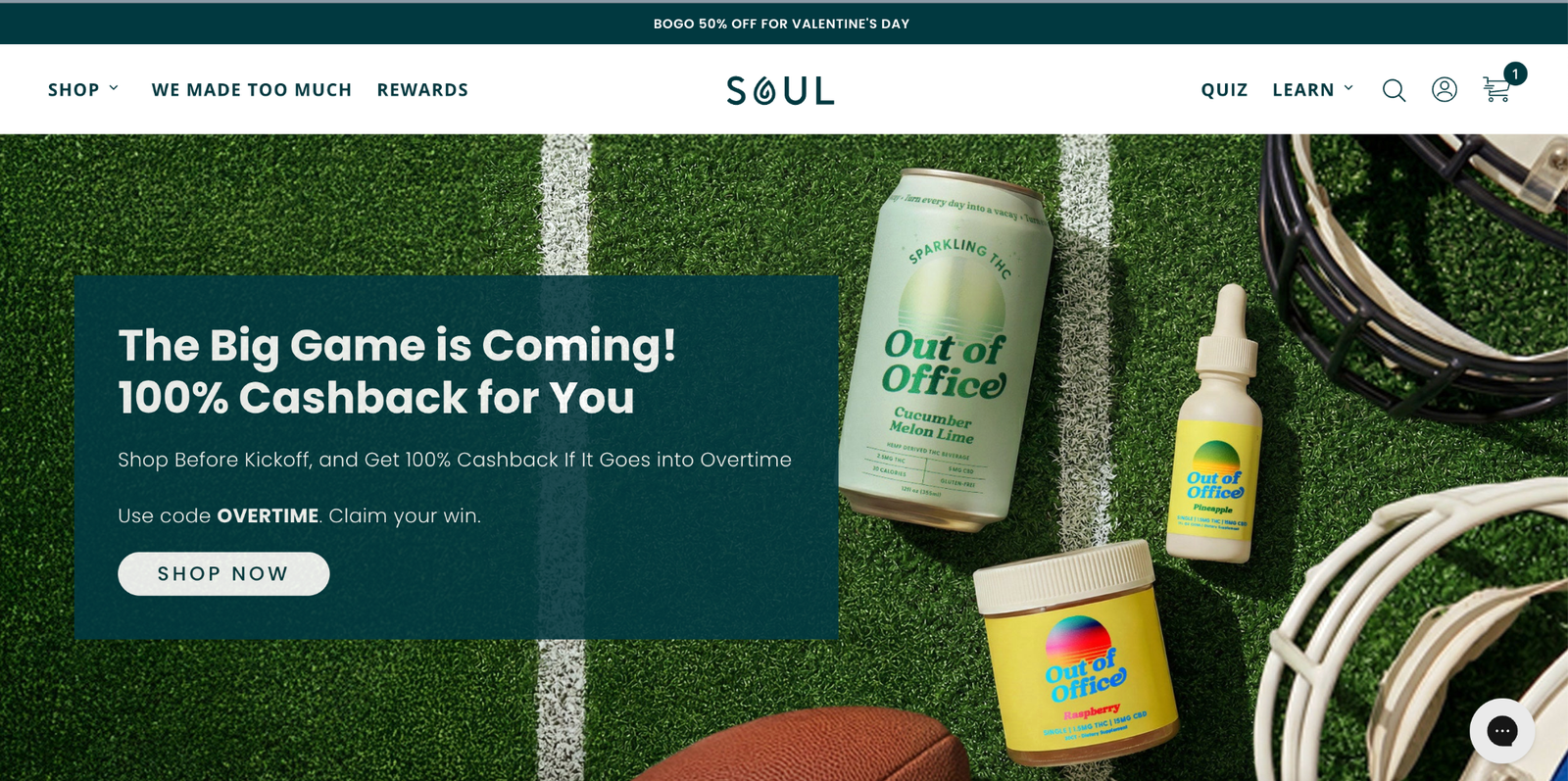
Players pay full price.Get 100% back if
the final goes to extra time.
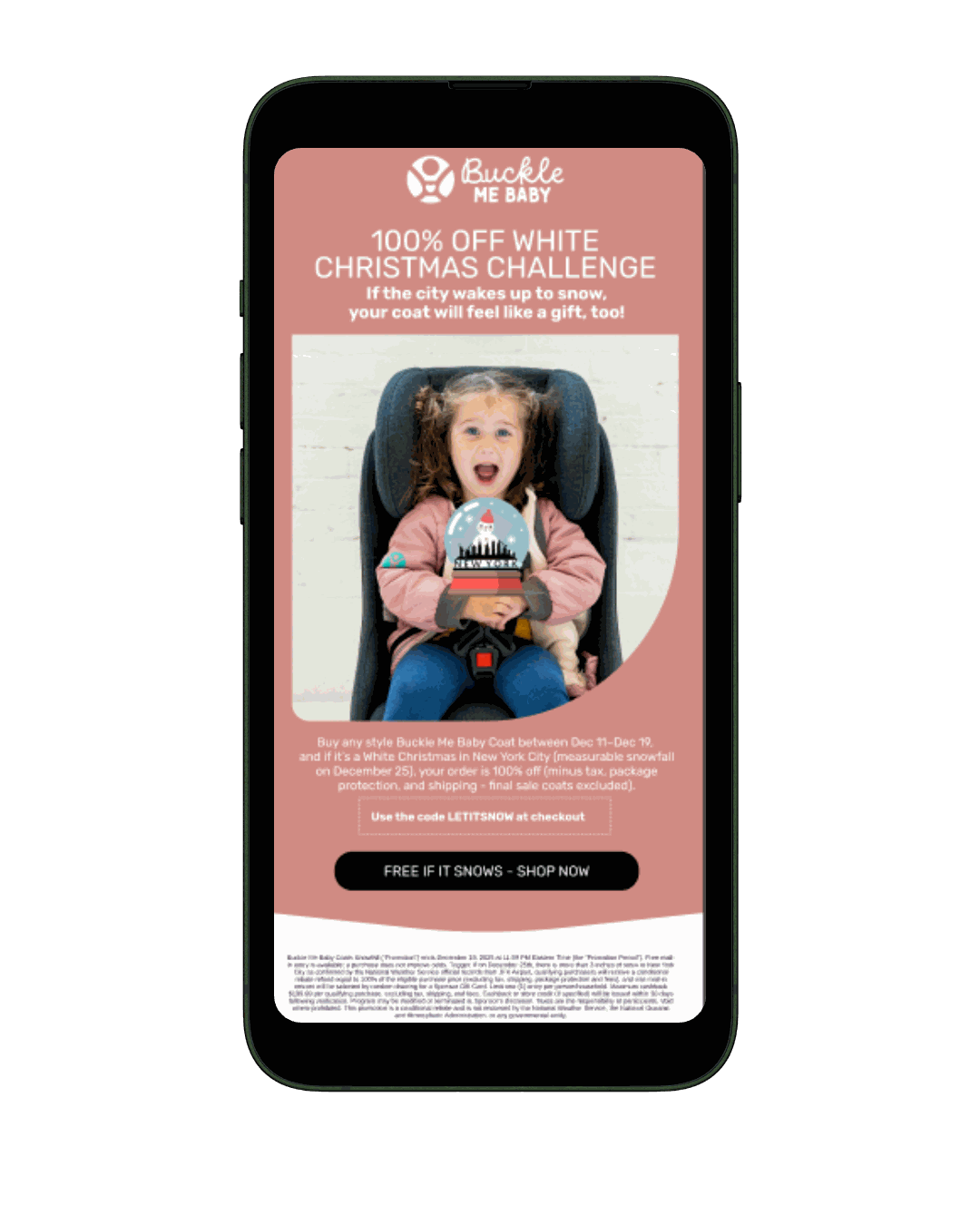
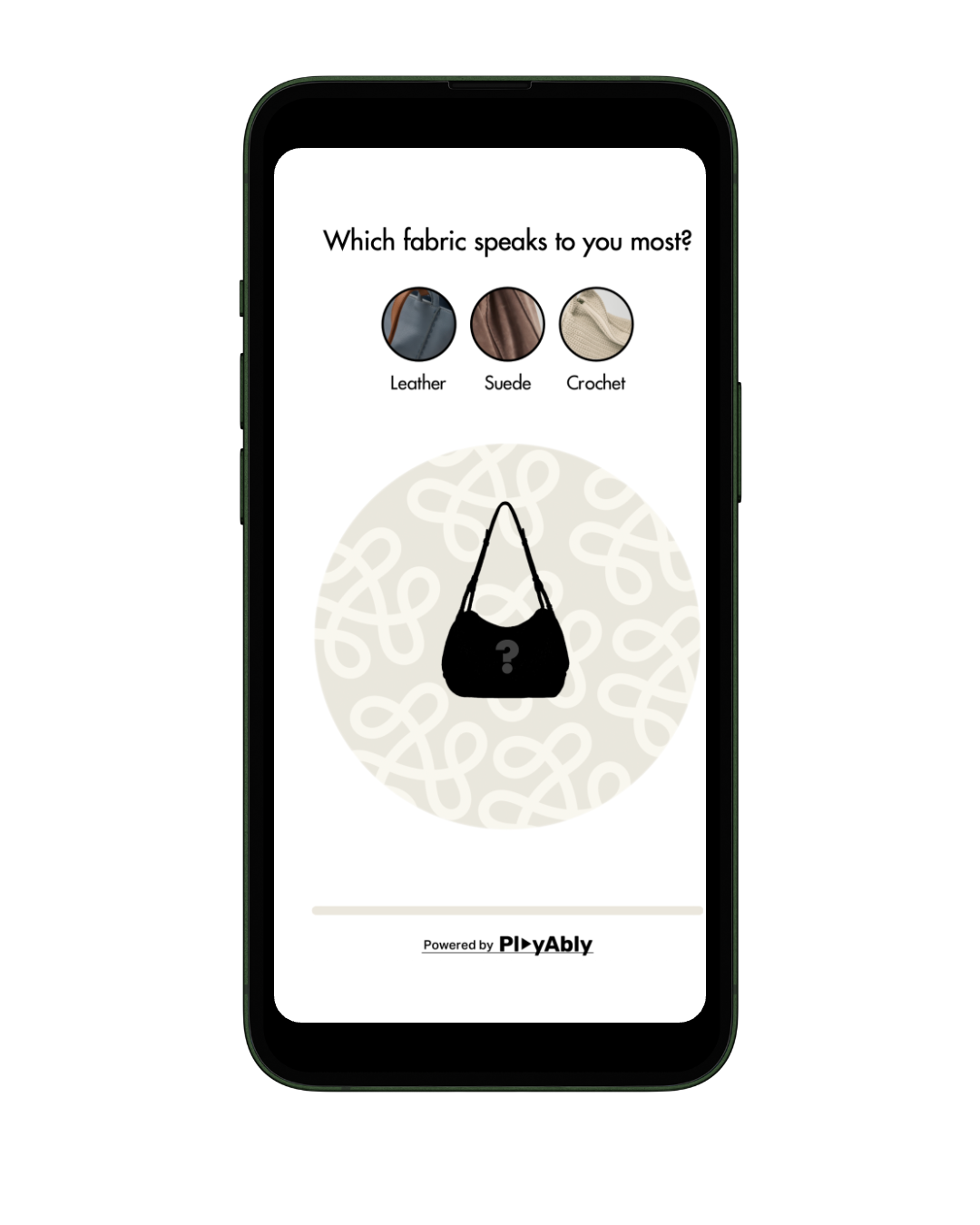
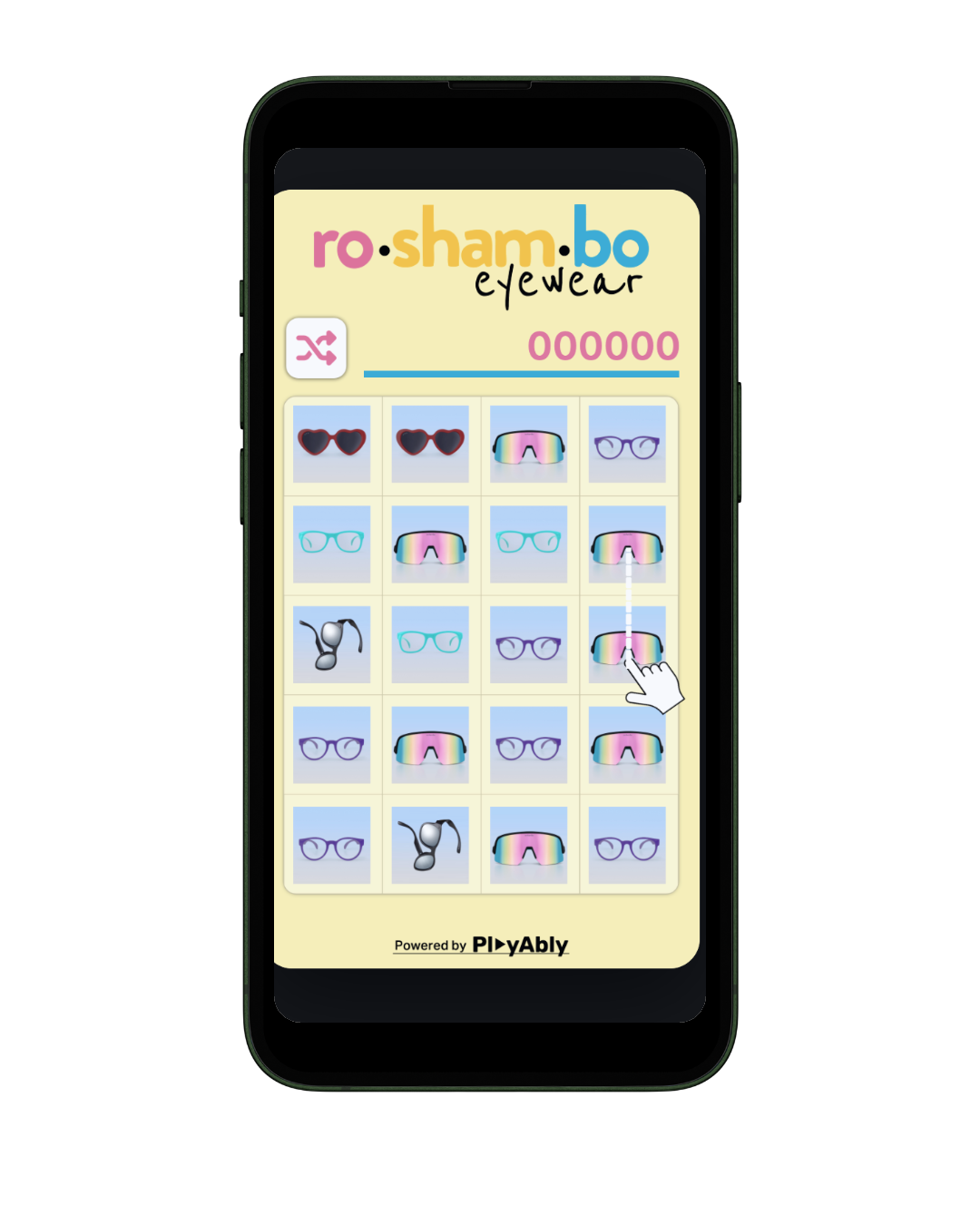
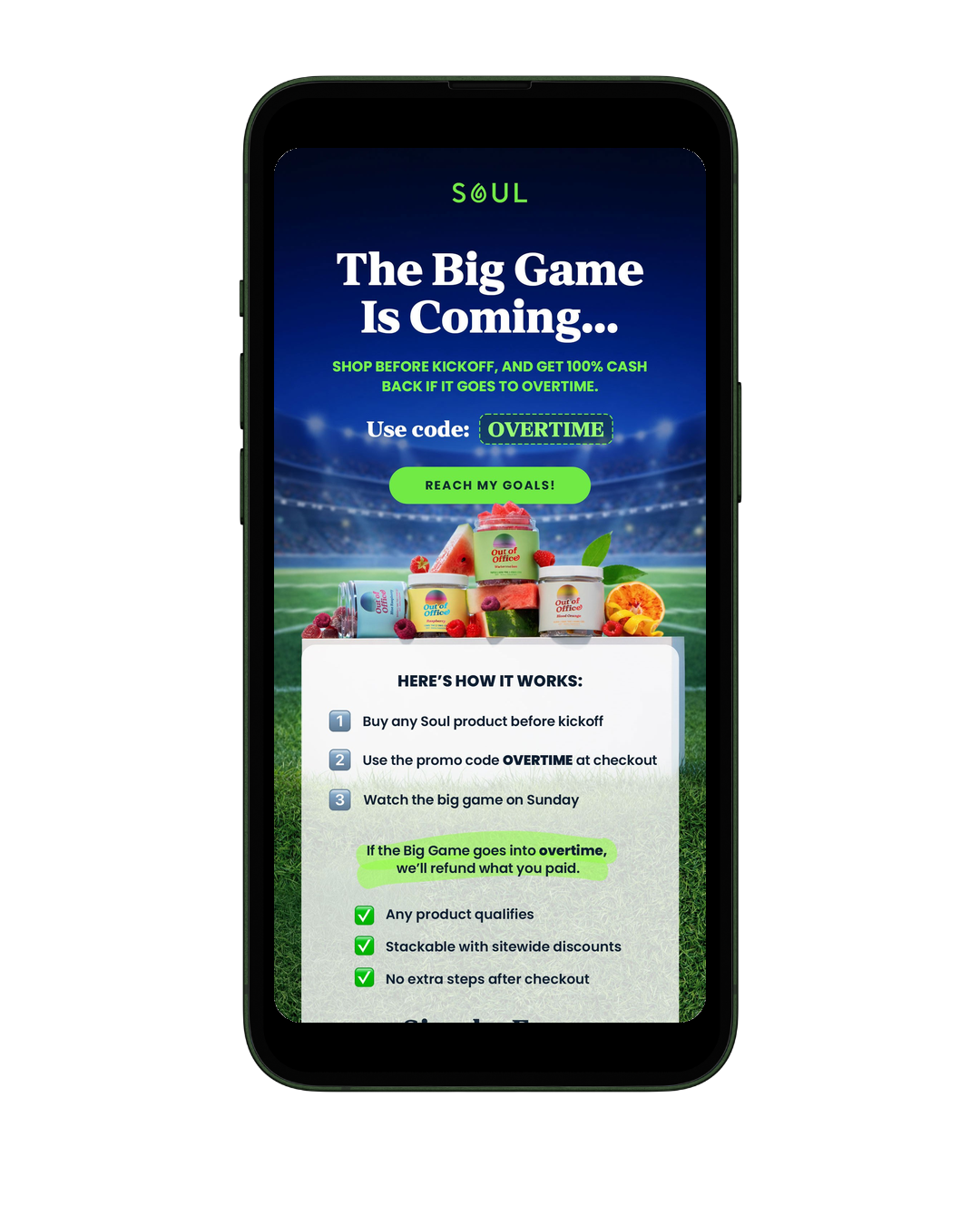
A new promotional lever for your D2C webstore. Players buy points, packs and passes at list price and are entered into a rebate tied to a real-world event. If it hits, they get 100% of their purchase back.Playably prices, hedges and funds the rebate. You keep the full-price D2C revenue.



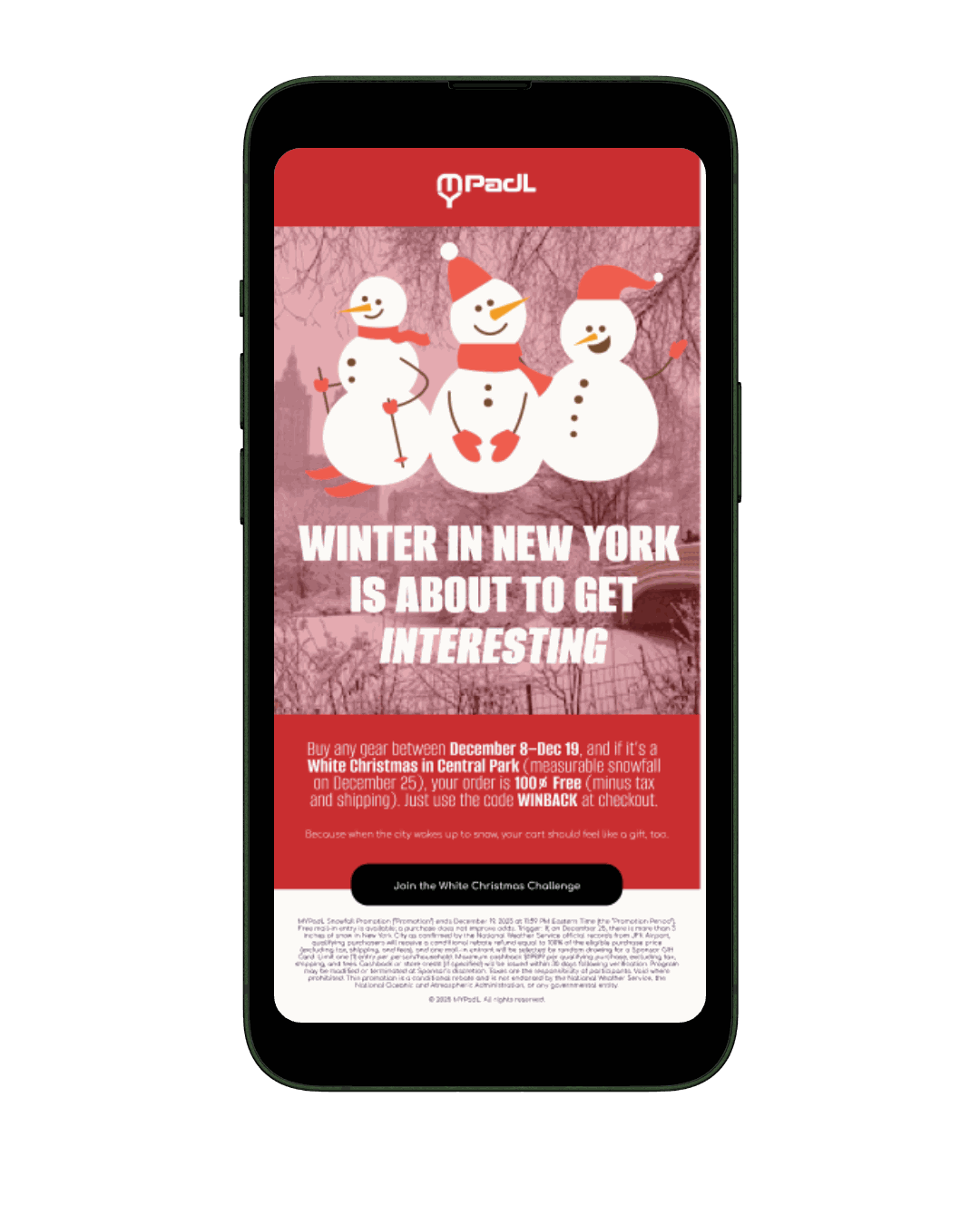

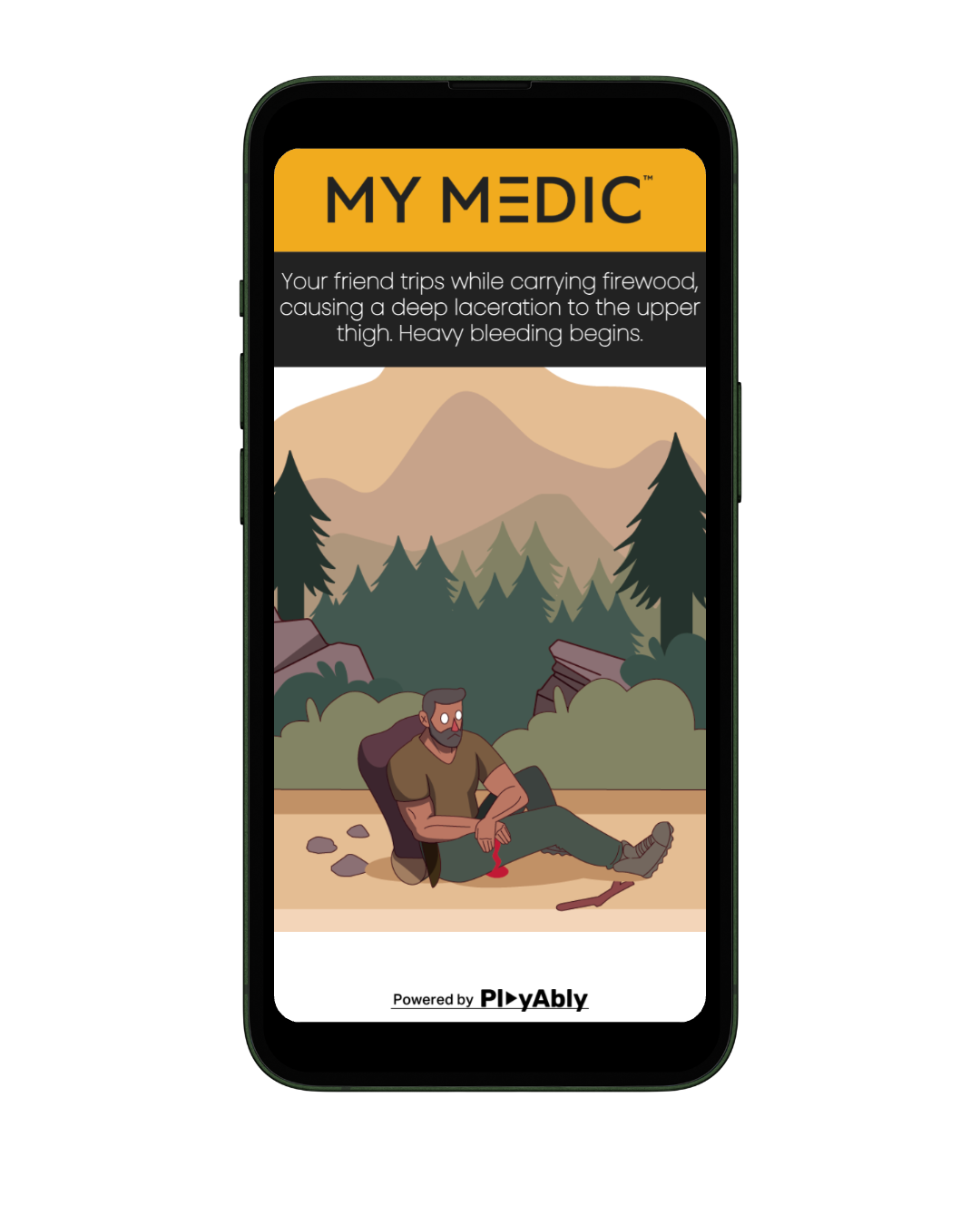
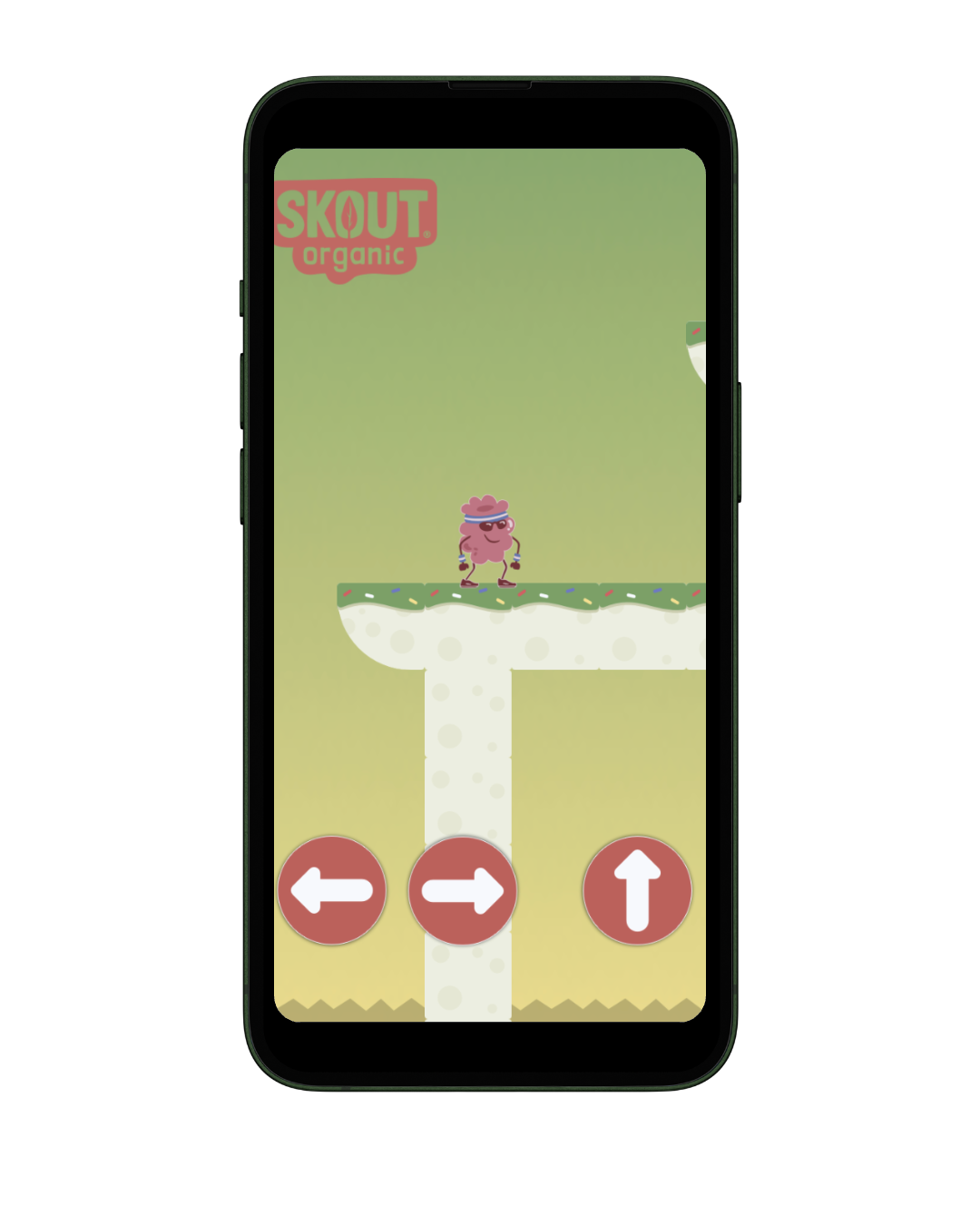
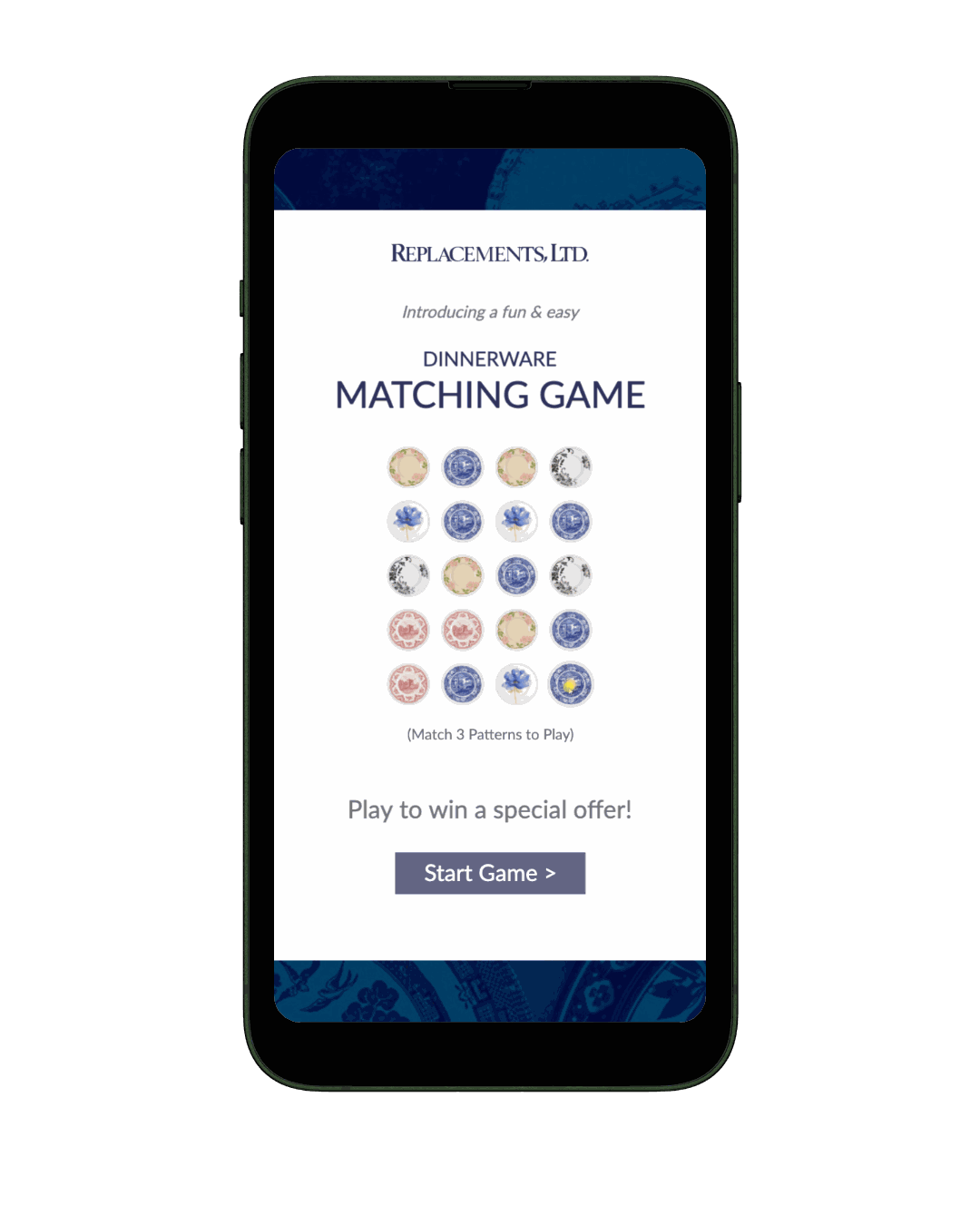
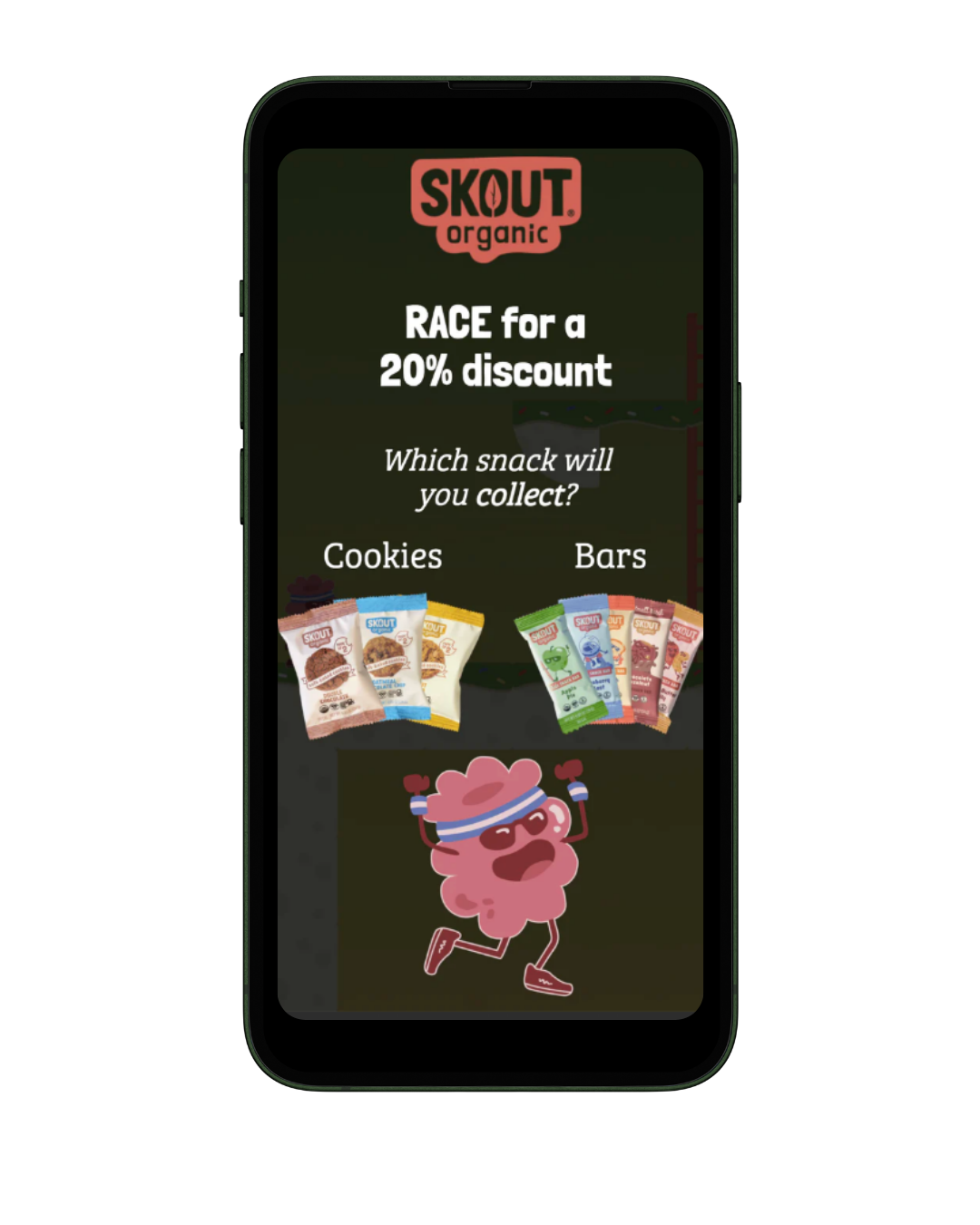
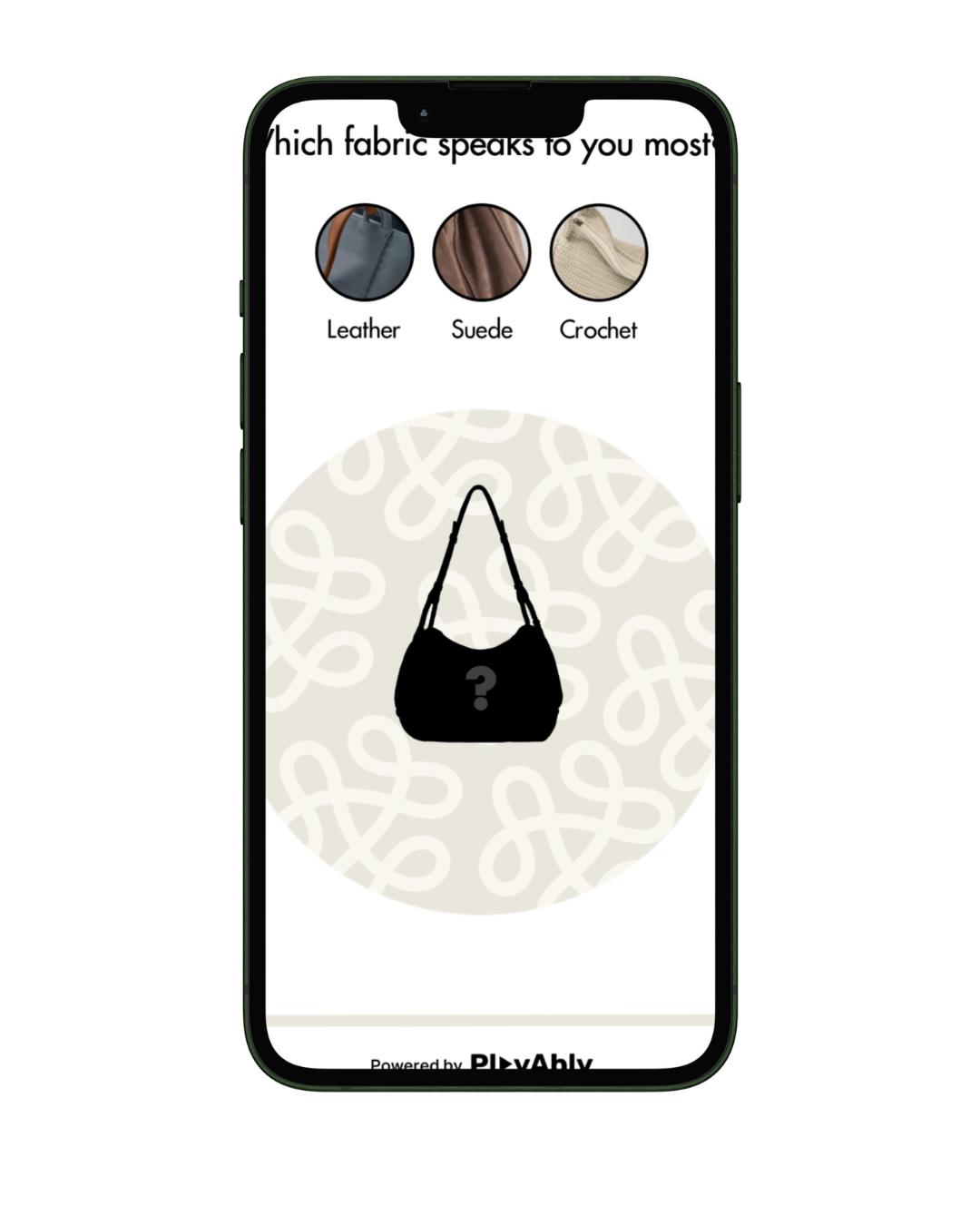
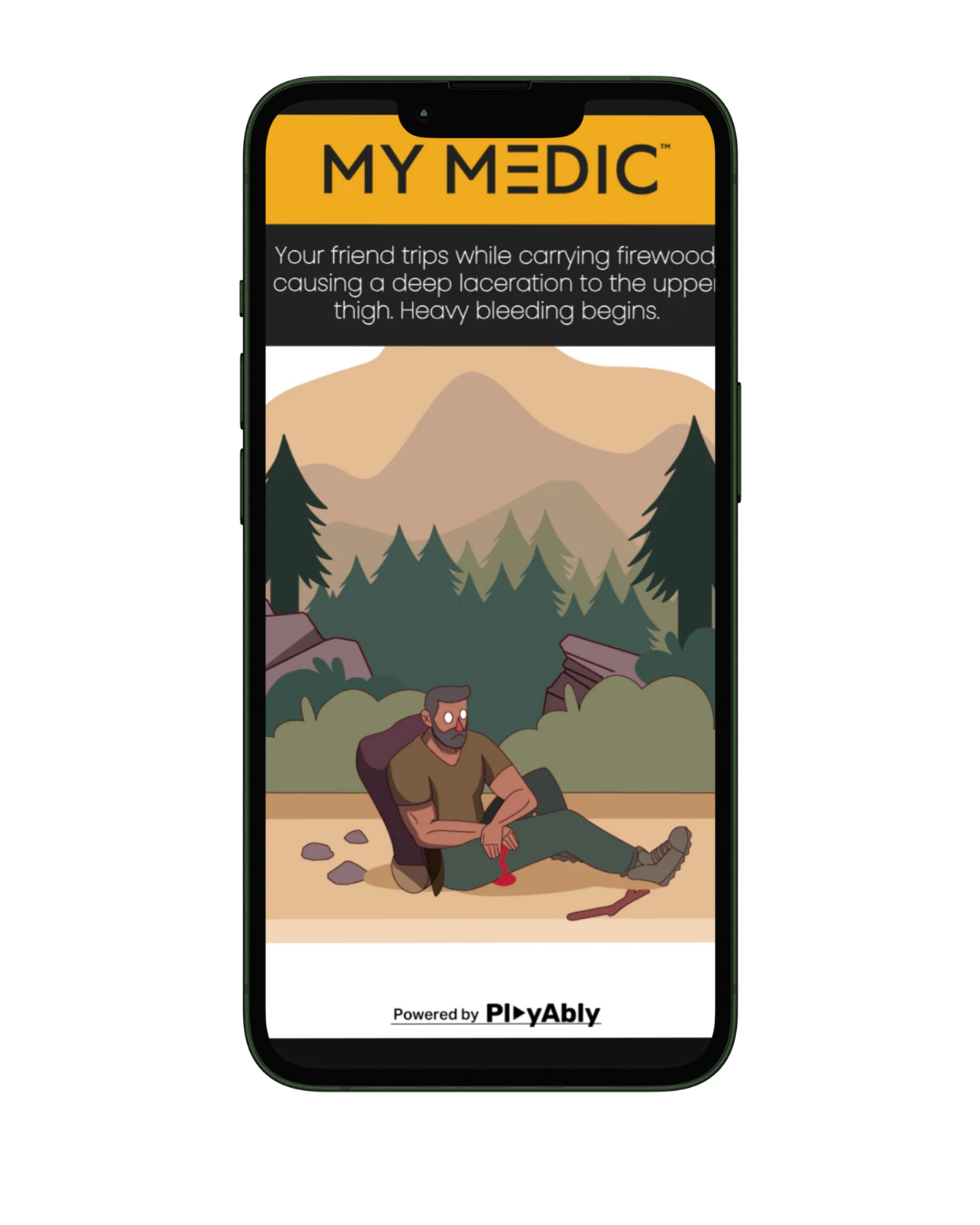
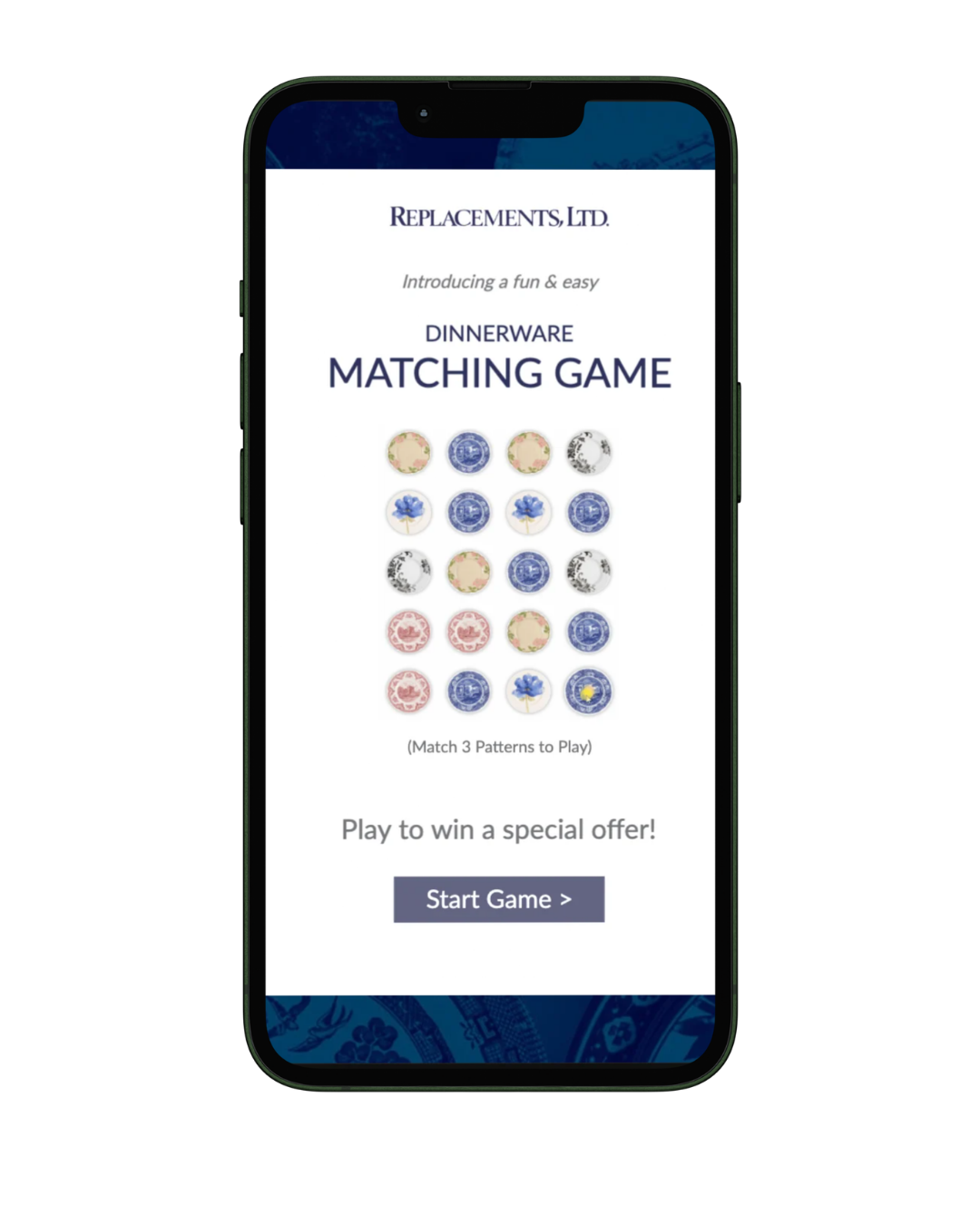



































Gamified rebates,
built for game publishers.
No markdown, no bonus currency, no code loose on the internet. The player pays list, the revenue lands in your D2C channel exactly as it always does, and nothing comes out of the pack economy you spent years balancing.
A final that goes to extra time. A record that falls. A result the whole audience is watching anyway. The event is the marketing — it gives players a reason to buy today, and to buy direct.
The rebate liability is priced, capped and hedged before the campaign goes live. If the trigger hits, Playably pays the players. For the publisher an unpredictable promotional payout becomes a defined campaign cost.
EA Sports FC Mobile × the Champions League final. Spend $50+ on FC Points in the FC Mobile webstore before kickoff. If the match goes to extra time, get 100% of your qualifying purchase back.
Illustrative only. Not an announced or active campaign, and not affiliated with any publisher or competition named here.
Six steps. The publisher's cost is fixed at step one.
What the player actually sees, from the webstore to the payout.
D2C is becoming a core revenue channel.
Publishers are moving player spend out of the app stores and into owned channels to keep more of every transaction. Supercell, EA and Scopely already run D2C storefronts, and the pattern is becoming a standard rather than an experiment. What the channel still lacks is a promotional lever that grows direct purchase volume without discounting into it.
Estimated mobile gaming D2C market today — roughly 15% of the $113.3B mobile gaming IAP market.
Appcharge ↗U.S. gaming D2C revenue growth in 2025, against 0.2% growth for the overall mobile gaming market.
Xsolla ↗D2C share already reached by leading publishers — SciPlay ~25%, Stillfront ~39%, Huuuge 40%+. Playtika reported $814.5M in D2C revenue and targets a 40% long-term share.
Xsolla ↗A fixed campaign fee,
plus a share of the lift.
Priced so the publisher knows its total exposure before the campaign goes live, and so most of the incremental revenue stays with the publisher.
One number, agreed up front. It covers the rebate liability and the hedge or insurance behind it, the activation, and Playably's margin. It does not move when the trigger hits. Whatever the outcome, the campaign costs what it said it would cost.
A percentage of the incremental D2C revenue generated above an agreed baseline. If the campaign does not create lift, there is no performance fee — which means Playably is paid for growth, not for access to your players.
Illustrative economics only. Actual campaign fees are priced against rebate liability, trigger probability, and hedge or insurance costs for the specific event and purchase threshold.
The idea is copyable.
The infrastructure behind it isn't.
A publisher could design the player-facing concept in an afternoon. What takes longer to build is the machinery that prices, insures and runs the financial risk underneath it — which is the part Playably brings.
Playably prices the probability of the outcome, manages the rebate liability and hedges or insures the exposure — turning an unpredictable promotional payout into a defined campaign cost.
Promotional and sweepstakes law varies by state and by campaign structure: eligibility, alternative method of entry, official rules, disclosures, registration. Playably carries that layer as part of the campaign.
Promotion structure, rules, trigger verification and player payouts all run on Playably's side. The operational lift on the publisher is a brief, an approval and a store placement.
Every campaign adds evidence about which events, probabilities, purchase thresholds and rebate structures actually move D2C behaviour — a body of data no single publisher can assemble from its own campaigns alone.
Playably sits across the D2C ecosystem rather than competing with it — publisher-owned webstores and commerce platforms alike, including Coda, Xsolla and Appcharge. The campaign follows the publisher, whatever the plumbing underneath.
Publishers moved to D2C to keep more of each transaction. A Playably campaign is priced as a promotion against incremental growth, so the existing D2C revenue you already earn stays where it is.
One campaign. Proven. Then scaled.
Start narrow, measure honestly, and only widen once the numbers are in.
One event, one webstore, one purchase threshold. The goal is a clean read on whether a gamified rebate drives measurable incremental D2C revenue for this audience.
Once a campaign proves lift, widen across additional events, titles and markets in the same portfolio — turning a pilot into a running calendar rather than a one-off promotion.
With economics proven, D2C platforms come into the model as integration and distribution partners — and, where it suits them, as co-funders of campaigns that push volume through their own infrastructure.
What we measure
- Incremental D2C revenue against the agreed baseline
- Change in D2C purchase volume
- Average order value during the campaign
- New and first-time D2C purchasers
- Repeat D2C purchasing after the promotion ends
- Campaign ROI against total publisher cost
Where it fits best
- Top-grossing mobile titles with meaningful player spend
- An established D2C webstore already live
- Already incentivising direct purchase — bonus currency, web-only offers, bundles or loyalty
- A natural link between the game, its audience and real-world events
- A team willing to read one campaign honestly before scaling it
Want to see this run on your webstore?
We will price a trigger for one of your titles and show you the campaign economics before you commit to anything.
Book a demo →